
Glass Types
Rain
Rain
Rain
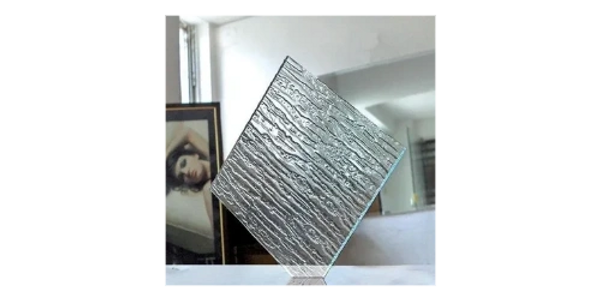
Rain glass is a decorative obscure glass featuring a textured surface that mimics the look of water flowing down the pane, with vertical raised and recessed patterns that distort visibility while still allowing a high amount of natural light to pass through. One side of the glass is typically smooth while the patterned side creates a soft, diffused glow, making it ideal for spaces where privacy is needed without sacrificing brightness. It offers a high level of privacy by blurring shapes and movement, though it still allows silhouettes and light through, and is commonly used in entry doors, sidelights, bathroom windows, office partitions, and shower enclosures. Rain glass can also be incorporated into insulated glass units and paired with Low-E coatings for improved energy efficiency, and is available in tempered or laminated options for safety. It provides an upscale, modern appearance, helps conceal fingerprints and smudges better than clear glass, and works well across various design styles, though it is slightly more expensive than standard clear glass and must be installed with the pattern oriented correctly—usually vertically—for the best visual effect.
Clear
Rain
Rain

Clear glass is a transparent, non-textured glass that provides full visibility and allows the maximum amount of natural light to pass through without distortion or color alteration. It has a smooth surface on both sides and is the most common and basic type of glass used in residential and commercial applications. Because it offers no privacy, it is typically used in areas where visibility is important, such as standard windows, storefronts, display areas, and doors where an unobstructed view is desired. Clear glass does not include any coatings or treatments by default, so it has lower energy efficiency compared to options like Low-E glass, allowing heat to pass through more easily and offering minimal UV protection, which can contribute to interior fading over time. However, it can be upgraded with features such as tempering for safety, lamination for added strength and security, or coatings like Low-E to improve insulation performance. It remains a popular choice due to its clean appearance, affordability, and versatility across nearly all building styles.
Low-e
obscured
obscured

Low-E (low-emissivity) glass is a high-performance glass designed with an ultra-thin, nearly invisible metallic coating that reflects heat while still allowing natural light to pass through. This coating works by minimizing the amount of infrared and ultraviolet light that can pass through the glass without reducing visible light, helping keep interiors cooler in the summer and warmer in the winter. It appears very similar to clear glass, though it may have a slight tint depending on the type, and is commonly used in energy-efficient windows and doors. Low-E glass significantly improves insulation compared to standard clear glass, reducing energy costs and helping maintain consistent indoor temperatures while also protecting furniture, flooring, and fabrics from UV-related fading. It can be combined with insulated glass units, argon gas fills, and safety options like tempering or lamination to further enhance performance. Overall, it is a popular choice for modern construction due to its balance of clarity, energy efficiency, and long-term cost savings.
obscured
obscured
obscured

Obscured glass is a type of glass designed to blur or distort visibility while still allowing natural light to pass through, providing privacy without completely blocking illumination. It comes in a variety of patterns and textures, such as frosted, etched, patterned, or rain-like designs, each creating a unique visual effect that diffuses light and conceals shapes and movement. Obscured glass is commonly used in bathrooms, entry doors, sidelights, office partitions, and shower enclosures where privacy is important but daylight is desired. Depending on the style and thickness, it can be incorporated into insulated glass units for energy efficiency and can also be tempered or laminated for safety and building code compliance. Obscured glass offers a balance of privacy, aesthetics, and light transmission, making it versatile for both residential and commercial applications, and is valued for its ability to enhance design while maintaining functional privacy.